Easy Homemade Chimichurri Sauce Recipe
Chimichurri sauce recipe is more than just a condiment; it’s a vibrant explosion of fresh flavors that can elevate almost any dish. Have you ever tasted a steak so perfectly seasoned, so bursting with herbaceous goodness, that you’ve found yourself trying to bottle that very essence? That’s the magic of a well-made chimichurri sauce. Originating from Argentina and Uruguay, this bright, zesty sauce is adored for its incredible versatility and its ability to cut through the richness of grilled meats like a culinary superhero. What makes this chimichurri sauce recipe so special is its simplicity, relying on a handful of fresh ingredients – parsley, garlic, oregano, vinegar, and olive oil – to create something truly extraordinary. It’s the perfect accompaniment not just to steak, but also to chicken, fish, vegetables, and even as a flavourful marinade. Get ready to unlock a world of taste with this foolproof chimichurri sauce recipe.

Chimichurri Sauce Recipe
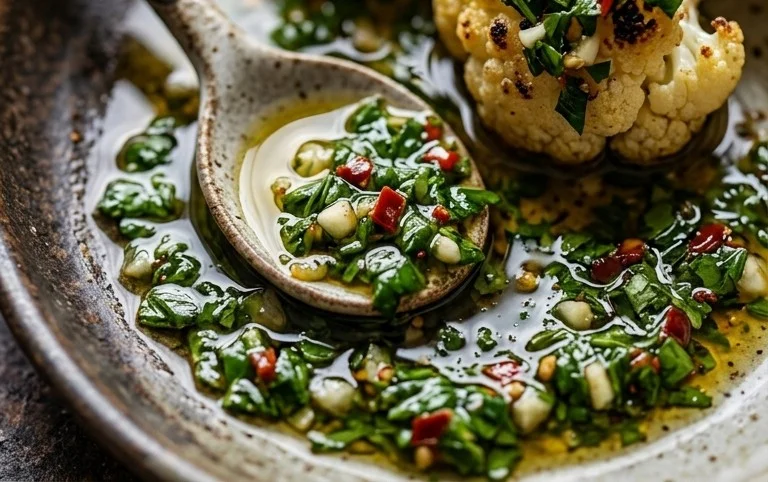
There are few sauces as vibrant, versatile, and utterly delicious as chimichurri. This Argentinian staple, traditionally served with grilled meats, is a herbaceous, garlicky, slightly tangy concoction that can elevate almost anything it touches. Forget those pre-made jars; making chimichurri from scratch is incredibly simple and yields a freshness that’s unparalleled. It’s the kind of sauce that makes you want to lick the spoon, and honestly, I often do!
This recipe is a classic rendition, focusing on bright, fresh herbs and a good balance of acidity and richness. It’s perfect for marinating steak, drizzling over roasted vegetables, spooning onto grilled fish, or even as a vibrant dip for bread. The beauty of chimichurri lies in its simplicity and the quality of its ingredients. So, let’s get chopping and create some magic!
Ingredients:
- 1 cup fresh Italian flat-leaf parsley (, leaves only, stems removed)
- 1/4 cup fresh cilantro (, leaves only, stems removed)
- 1/4 cup fresh oregano (, leaves only, stems removed)
- 1/3 cup roughly chopped red onion or shallots
- 3 cloves garlic (, peeled)
- 1/2 teaspoon red pepper flakes
- 1/2 cup extra-virgin olive oil
- 1/4 cup red grape juice vinegar
- 3 tablespoons fresh lemon juice
- 1 teaspoon kosher salt
Crafting Your Chimichurri
The process of making chimichurri is more about preparation and careful assembly than actual cooking. The key is to finely mince your ingredients so they meld together beautifully. You can achieve this by hand for the most rustic texture or use a food processor for a smoother consistency. I personally prefer a slightly coarser chop for a more satisfying bite.
Step 1: Preparing the Herbs and Aromatics
Begin by thoroughly washing and drying your fresh herbs. It’s crucial to remove as much moisture as possible, as excess water can dilute the flavor and affect the sauce’s shelf life. For the parsley, cilantro, and oregano, strip the leaves from the tougher stems. You’ll want to use only the leafy parts. Once you have your leaves, gather them into a tight bunch. Using a sharp chef’s knife, start to finely chop the herbs. You’ll want to go over them several times to break them down into small pieces. Don’t be afraid to get them really fine; this will allow their flavors to infuse the oil and vinegar beautifully.
Next, take your roughly chopped red onion or shallots and your peeled garlic cloves. Add these to the chopped herbs. Continue to chop everything together, working it into a very fine mince. The garlic should be almost paste-like, and the onions should be tender and well-integrated. This combination of fresh herbs, pungent garlic, and sweet onion is the aromatic backbone of our chimichurri.
Step 2: Adding the Heat and Salt
Now, it’s time to introduce a touch of spice and seasoning. Sprinkle in the red pepper flakes. The amount here can be adjusted to your personal preference for heat. If you like a little kick, go for the full half teaspoon. If you’re sensitive to spice, start with a pinch and taste later. Following that, add the kosher salt. Kosher salt has a coarser texture than table salt, which helps to draw out moisture from the herbs and other ingredients, contributing to flavor development. Ensure the salt is evenly distributed among the chopped ingredients.
Step 3: The Emulsification – Oil and Vinegar
This is where the magic really happens. In a separate bowl, or directly into the bowl with your herb mixture, pour in the extra-virgin olive oil. Use a good quality olive oil here, as its flavor will be prominent. Then, add the red grape juice vinegar. Red grape juice vinegar provides a lovely fruity acidity that complements the herbs without being too harsh. If you can’t find red grape juice vinegar, a good quality red grape juice vinegar will work as a substitute, though the flavor profile will be slightly different. Finally, squeeze in the fresh lemon juice. The lemon juice adds a bright, zesty counterpoint to the richness of the olive oil and the earthiness of the herbs.
Step 4: Combining and Marinating
Now, gently stir everything together. You want to ensure that the oil, vinegar, and lemon juice are thoroughly combined with the herb and garlic mixture. As you stir, you’ll notice the ingredients starting to meld and the vibrant green color of the herbs intensifying. This is the point where you let the flavors really begin to marry. Ideally, allow the chimichurri to sit for at least 15-30 minutes at room temperature before serving. This resting period is crucial; it allows the herbs to soften slightly and release their aromatic oils, and for the acidity to tenderize the garlic and onion. For an even deeper flavor, you can let it sit for up to an hour. If you’re making it ahead of time, you can store it in an airtight container in the refrigerator for up to a week, though the fresh herb flavor is best within the first few days.
Step 5: Tasting and Adjusting
Before you serve your chimichurri, it’s absolutely essential to taste it and make any necessary adjustments. Use a clean spoon to taste. Is it tangy enough? Does it need more salt? Perhaps a touch more lemon juice for brightness? This is your chance to fine-tune it to your palate. If you find it a bit too sharp, you can always add a tiny drizzle more olive oil to round it out. If it seems a little bland, a pinch more salt or a squeeze of lemon juice can make all the difference. Remember, the flavors will continue to develop as it sits, so a slight adjustment now can lead to perfection later.
This chimichurri is a celebration of fresh, vibrant flavors. It’s incredibly easy to make and will quickly become a go-to sauce in your kitchen. Enjoy its incredible versatility and the burst of freshness it brings to your meals!
Conclusion:
And there you have it! You’ve unlocked the secret to a vibrant, flavorful, and incredibly versatile Chimichurri Sauce Recipe. This isn’t just any sauce; it’s a game-changer for your grilled meats, roasted vegetables, and even as a zesty marinade. Its bright, herbaceous notes, with a delightful hint of garlic and spice, cut through richness and elevate even the simplest dishes. I truly believe this chimichurri recipe is a must-have in any home cook’s repertoire because of its simplicity and the sheer explosion of taste it delivers.
Don’t be afraid to experiment with serving suggestions! While it’s a classic with grilled steak or chicken, I love drizzling it over pan-seared fish, roasted potatoes, or even dolloping it onto eggs. For variations, consider adding a pinch of red pepper flakes for more heat, a touch of lemon zest for extra brightness, or even a bit of fresh oregano for a different herbal profile. I wholeheartedly encourage you to give this Chimichurri Sauce Recipe a try; you’ll be amazed at how easily it transforms your meals.
Frequently Asked Questions:
How long does chimichurri sauce last?
When stored properly in an airtight container in the refrigerator, this delicious chimichurri sauce can last for up to a week. The olive oil acts as a natural preservative, but the fresh herbs are best enjoyed within this timeframe for optimal flavor.
Can I make chimichurri ahead of time?
Absolutely! In fact, I find the flavors meld and deepen beautifully if you make it a day or two in advance. Just give it a good stir before serving, as the oil and vinegar might separate slightly.
What if I don’t have fresh parsley?
While fresh parsley is the star, you can substitute with a mix of other fresh herbs. A combination of fresh cilantro and parsley works wonderfully, or even a blend of basil and parsley for a slightly different aromatic profile. Just aim for a similar quantity to the parsley called for in the recipe.
Chimichurri Sauce Recipe
A vibrant and herbaceous Argentinian sauce perfect for grilling, marinating, or as a topping.
Ingredients
-
1 cup fresh Italian flat-leaf parsley (leaves only, stems removed)
-
1/4 cup fresh cilantro (leaves only, stems removed)
-
1/4 cup fresh oregano (leaves only, stems removed)
-
1/3 cup roughly chopped red onion or shallots
-
3 cloves garlic (peeled)
-
1/2 teaspoon red pepper flakes
-
1/2 cup extra-virgin olive oil
-
1/4 cup red grape juice vinegar
-
3 tablespoons fresh lemon juice
-
1 teaspoon kosher salt
Instructions
-
Step 1
Finely chop the parsley, cilantro, and oregano. You can use a knife or a food processor for this step. -
Step 2
If using a food processor, add the chopped herbs, red onion or shallots, and garlic. Pulse until finely minced. -
Step 3
Transfer the herb mixture to a bowl. Stir in the red pepper flakes. -
Step 4
Slowly whisk in the extra-virgin olive oil, red grape juice vinegar, and fresh lemon juice until well combined. -
Step 5
Season with kosher salt to taste. Adjust other ingredients as needed. -
Step 6
For best flavor, let the chimichurri sauce sit for at least 15-30 minutes at room temperature before serving to allow the flavors to meld.
Important Information
Nutrition Facts (Per Serving)
It is important to consider this information as approximate and not to use it as definitive health advice.
Allergy Information
Please check ingredients for potential allergens and consult a health professional if in doubt.


